


Welcome to your locally tailored maintenance guide for San Antonio drivers, crafted with input from Cavender Toyota. We understand that navigating the bustling streets of San Antonio, along with nearby communities like Boerne, New Braunfels, Schertz, Helotes, and Alamo Ranch, brings unique challenges. This guide is designed to help you keep your Toyota running smoothly, taking into account our region's warm climate and local driving conditions, ensuring your vehicle continues to deliver the reliability and performance you expect.
With decades of experience serving the San Antonio community, we recognize the specific maintenance needs that arise from everyday driving-be it the stop-and-go traffic on Military Drive or weekend getaways to the Hill Country. By aligning Toyota's recommended service schedule with local conditions, we aim to empower you with the knowledge to maintain your vehicle's peak performance for years to come.
Why Should You Follow a Maintenance Schedule for Your Toyota?
Following a maintenance schedule is crucial for safeguarding your investment and ensuring your Toyota remains dependable for your daily journeys, especially in the unique climate of San Antonio. The intense heat and humidity can put extra stress on fluids, belts, and filters, while the seasonal pollen can clog air filters, impacting performance. For instance, if you frequently navigate the I-35 corridor or take quick trips to the San Antonio River Walk, regular service helps address these local challenges and keeps your vehicle running smoothly.
Regular maintenance not only enhances your vehicle's performance and fuel efficiency but also prioritizes your safety and peace of mind. A well-maintained Toyota, like the RAV4 or Highlander, is better equipped to handle the rigors of stop-and-go traffic on Military Drive or long drives into the Hill Country. It's not just about avoiding breakdowns; it's about ensuring your vehicle operates as intended, providing you with reliability on every trip. For more insights on vehicle care, resources like Edmunds offer a wealth of information.
How Does Toyota's Service Reminder System Work?
Many Toyota vehicles come equipped with a service reminder system that helps keep you informed about upcoming maintenance needs. Depending on the specific model and year, this reminder may be based on a straightforward time or mileage counter, or it could adjust based on the vehicle's operational patterns. This means your vehicle may prompt you to check the recommended service based on how you drive, though not all models have this capability.
When it's time to think about maintenance, drivers typically see a dashboard message, a service indicator like a wrench light, a maintenance reminder, or an oil-life percentage. The exact features and notifications can vary significantly from one model to another, so it's crucial to consult your owner's manual for the specific maintenance schedule. Additionally, local driving conditions in San Antonio and nearby areas-such as frequent short trips, stop-and-go traffic on roads like Wurzbach Road, or towing in the Hill Country-can influence how often service is required.
What Does the Primary Service Reminder Mean?
After understanding how service reminders work in general, the next step is knowing what the primary reminder is telling you. For many vehicles, this primary service reminder serves as a broad notification that scheduled maintenance is either due or approaching. While some models might present a straightforward message or light, others may offer more comprehensive details through a maintenance menu or specific indicators. Because the interpretation can differ significantly across models and years, checking the owner's manual and the in-vehicle maintenance display is the best way to understand what services are necessary.
Primary reminder: This is a general prompt to assess your vehicle's scheduled maintenance needs and plan for upcoming service. It typically signals that maintenance is due, without detailing every specific item that may require attention.
Additional details (if shown): Some vehicles provide supplementary information, such as a maintenance screen, percentage indicators, descriptive messages, or symbols that clarify what requires attention. If your vehicle displays these extra details, use them alongside your owner's manual for confirmation on the recommended services.
What Do Additional Service Indicators Mean?
Many vehicles offer extra service indicators that go beyond the primary reminders. These can take the form of additional items, symbols, or menu entries that help clarify what service may be needed. Keep in mind that the specifics can vary between different models, so it's important to refer to your owner's manual for exact meanings. Below are some common examples of what you might see:
- Tire rotation: Regular tire rotation promotes even tread wear and enhances handling. In areas like San Antonio, where stop-and-go traffic is common, this maintenance is crucial for longevity.
- Engine and cabin air filters: Engine air filters ensure proper airflow, while cabin filters maintain air quality inside your vehicle. Dust and pollen, especially during allergy seasons in Texas, can clog these filters faster than you might think.
- Transmission fluid: This service may be noted for long-term maintenance. Short trips and stop-and-go driving can increase heat and stress on the transmission, making timely service important.
- Spark plugs and valve clearance check (when applicable): Spark plugs often need replacement at specific intervals, and some engines might require a valve clearance check, especially as mileage increases.
- Engine coolant: Maintaining proper coolant levels is essential for engine temperature regulation. Hot conditions and heavy loads, typical in Texas, can put extra strain on the cooling system.
- Rear differential fluid (AWD/4WD, if equipped): For vehicles with all-wheel or four-wheel drive, this fluid may need servicing. Driving on uneven terrain or during wet conditions, common around San Antonio, can increase wear on these components.
- Brake fluid: As brake fluid ages, it can absorb moisture, compromising braking effectiveness. If your vehicle indicates a need for brake fluid service, it's wise to follow the recommended intervals.
What is a Typical Toyota Service Schedule for San Antonio Drivers?
For San Antonio drivers, understanding a typical service schedule is a valuable tool for managing vehicle maintenance. While your vehicle might have in-dash reminders, this outline serves as a helpful reference that complements the owner's manual and any service alerts, if available. It's designed to align with common driving habits in Texas, like navigating the congested streets of downtown or enjoying highway drives to nearby attractions, without assuming your vehicle can measure these conditions.
What Services Are Needed in the First 30,000 Miles?
During the initial 30,000 miles of ownership, most Toyota drivers encounter essential services such as routine oil changes, tire rotations, and air filter maintenance. The specific timing for these services can vary based on the model, driving conditions, and recommendations found in the owner's manual.
Oil service: Typically, oil changes might be needed every few thousand miles, frequently ranging up to about 7,500-10,000 miles depending on how you drive. For those navigating the busy streets of San Antonio or making frequent short trips that involve stop-and-go traffic, it's not unusual for the need for an oil change to arise sooner compared to a vehicle primarily used for highway travel.
Tires and filters: Tire rotations are commonly performed early in ownership, often at the same time as an oil change or at set mileage intervals within the first 30,000 miles to promote even wear. Additionally, keeping an eye on engine and cabin air filters is advisable, especially given the dust, pollen, and construction debris prevalent in areas like Boerne or New Braunfels. Many drivers find themselves replacing these filters between 15,000 to 30,000 miles, influenced by local environmental conditions.
What Maintenance Should Be Done Between 30,000 and 60,000 Miles?
As your Toyota approaches the 30,000 to 60,000 mile mark, maintenance becomes increasingly focused on safeguarding critical systems. Services like transmission fluid changes, brake fluid replacements, and thorough inspections of brakes and tires are often recommended to maintain vehicle reliability. It's important to consult your owner's manual and in-vehicle maintenance reminders for specifics that apply to your model and driving habits.
Transmission fluid: Maintaining clean transmission fluid is vital for smooth gear shifts and improves the longevity of your vehicle's transmission system.
Brake fluid, brakes, and tires: Brake fluid can degrade over time regardless of mileage. Regular inspections of brakes and tires become essential for reliable stopping power and handling, ensuring your Toyota remains safe and responsive on all types of roads.
What Major Services are Required Approaching 100,000 Miles?
As your Toyota approaches the 100,000-mile mark, there are several key maintenance services that often come into play. While the specific timing can vary depending on the model and engine type, it's essential to refer to your owner's manual for the most accurate information tailored to your vehicle.
Spark plug replacement: Many Toyota models may benefit from spark plug replacement around this mileage. Fresh spark plugs ensure efficient fuel combustion, leading to smoother engine performance, better fuel efficiency, and reliable starts-important for those navigating the bustling streets of San Antonio.
Timing belt replacement and coolant service: For some older Toyota engines, a timing belt may require replacement at a certain interval, while many newer models use timing chains that typically don't need routine replacement. Additionally, a coolant flush or replacement is often recommended to help protect your vehicle's cooling system from corrosion and overheating. Keeping up with these services can help maintain your vehicle's reliability and resale value.
Why is Local Expertise Important for Servicing Your Toyota?
For Toyota owners in San Antonio, having a service team that understands the unique local climate, roads, and driving habits is invaluable. Our technicians are well-acquainted with the effects of the region's hot, humid summers, which can put extra strain on your vehicle's cooling system and air conditioning. They know how the fine clay dust prevalent in our area can impact air filters and other components, leading to wear that might not be evident in other climates. With local traffic patterns, especially the congestion on roads like I-35 and U.S. 281, our team is adept at identifying issues that could arise from stop-and-go driving or extended highway travel.
Being familiar with these specific conditions means our technicians can more effectively monitor and address wear patterns unique to vehicles in our community. Whether it's the pollen that affects air quality or the seasonal changes that influence tire and brake performance, we ensure your Toyota is ready for whatever the local environment throws at it. For more information about vehicle safety and maintenance, consider visiting the National Highway Traffic Safety Administration (NHTSA) for resources tailored to your needs.
Frequently Asked Questions (FAQs)
What should I know about pricing before I go to Cavender Toyota?
Cavender Toyota is transparent about pricing, ensuring customers are informed about all costs associated with service. Before your visit, you can expect to receive a clear breakdown of services and any potential fees involved.
How can I ensure I am not being upsold unnecessary services?
Cavender Toyota's team will thoroughly discuss your vehicle's needs and the recommended services based on its condition. They prioritize providing you with only what is necessary for your vehicle, helping you make informed decisions.
What are common complaints about pricing transparency?
Cavender Toyota actively addresses any concerns about pricing transparency by offering clear service quotes and detailed explanations for each service. Their commitment to a straightforward pricing model helps build trust with customers.
How does Cavender Toyota handle service quotes?
Cavender Toyota provides detailed service quotes that outline the costs associated with the recommended maintenance. This ensures you understand what services are needed and why, allowing for confidence in your service decisions.
How often should I change my oil in San Antonio's climate?
Your vehicle's service reminder or owner's manual is the best guide, but in San Antonio's hot summers, many drivers find oil changes are typically needed every 5,000 to 10,000 miles depending on the oil type and driving conditions.
Is AWD worth it for this area?
While AWD isn't essential for all drivers, it offers advantages during heavy rain, common in San Antonio. Vehicles like the Toyota RAV4 with AWD provide enhanced stability and traction, contributing to safer driving in wet conditions.
About Cavender Toyota
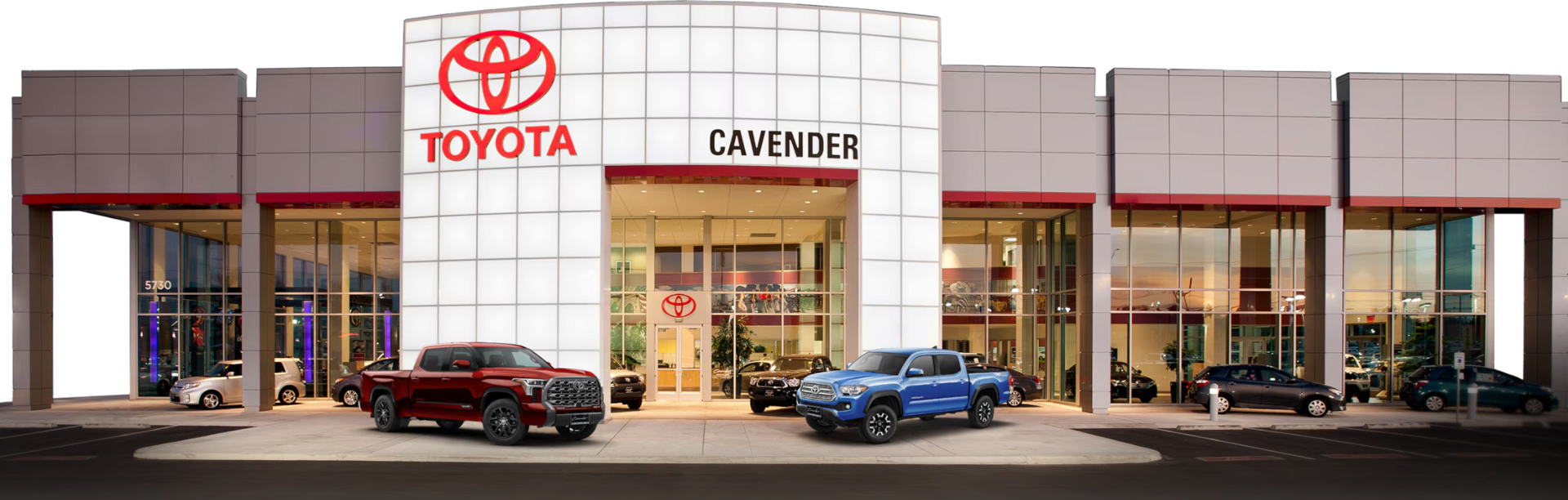
As the proud team at Cavender Toyota, we have served the San Antonio and South Texas communities for over 80 years with a steadfast commitment to the "Cavender Confidence" philosophy. Our expertise is backed by a legacy of excellence that includes winning the prestigious Toyota President's Award for over 20 consecutive years, a testament to our unmatched proficiency in sales, service, and customer satisfaction. We distinguish ourselves as a regional authority through our "Cavender Cares" initiative, which actively supports local San Antonio organizations and reinforces our deep-rooted dedication to the neighbors we serve. Our dealership features factory-trained, Master-Certified technicians and a specialized team that has helped us become one of the top-volume Toyota dealers in the nation. By combining eight decades of automotive heritage with a passion for community enrichment, we ensure every guest receives the highest level of professional guidance and reliable care for their vehicle.Related Articles:
The Ultimate Guide to Finding the Best Toyota Dealer in San Antonio, TX
